
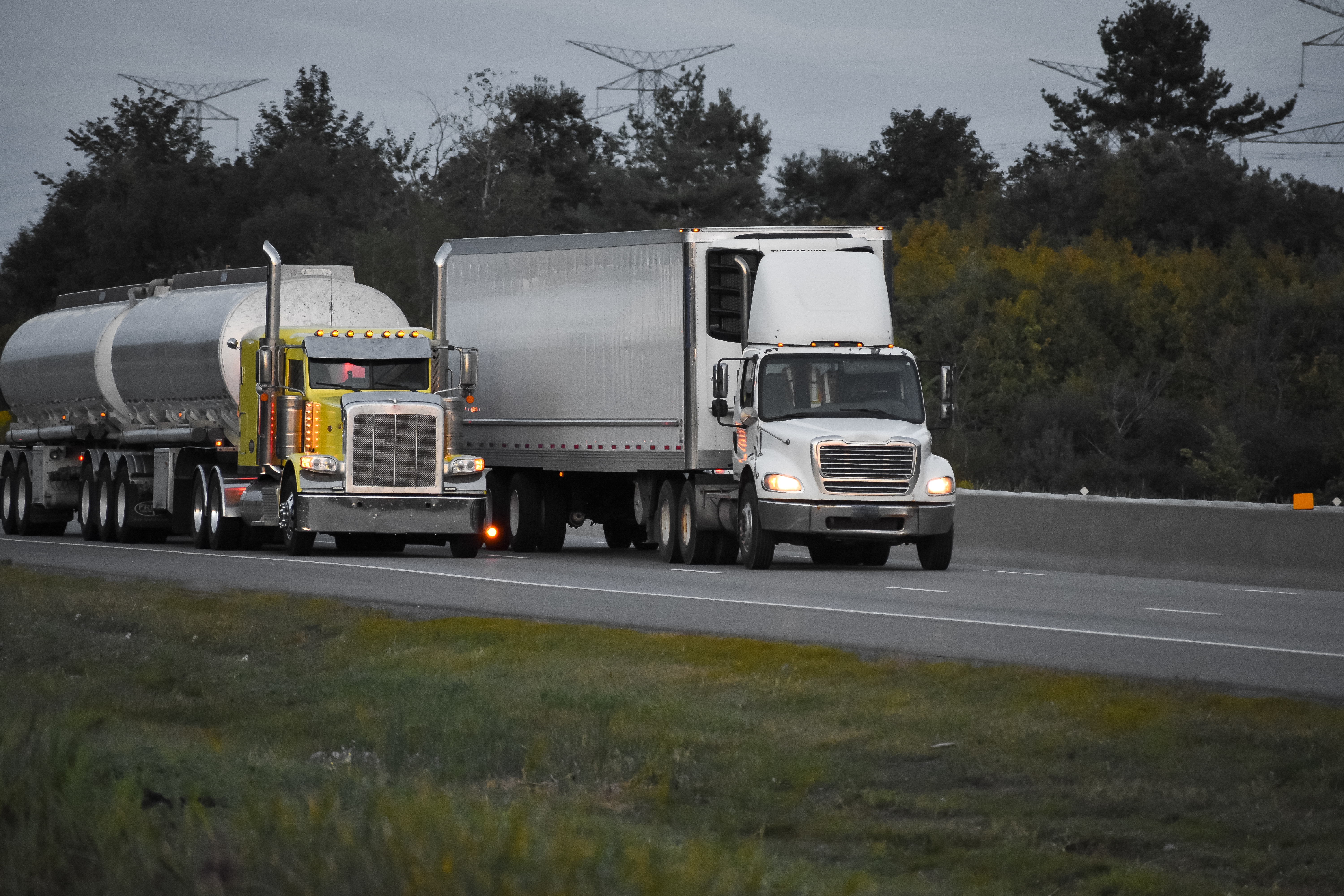
Fall Deer Collision Safety Tips for Commercial Drivers
As fall settles in and daylight grows shorter, commercial drivers face a seasonal increase in wildlife-related hazards. Rising deer activity during early morning and evening hours creates added risks for businesses that rely on vehicles every day. Staying aware of these changing conditions can help protect employees, reduce disruptions, and support safer travel throughout the season.
For companies that depend on reliable transportation, a deer strike can lead to much more than auto repairs. Injuries, delayed appointments, service interruptions, and unexpected downtime can all impact operations. Sharing timely reminders with your team is a practical way to reinforce safe habits and keep both drivers and business vehicles protected as deer activity peaks.
Why Deer Activity Increases in the Fall
Deer become significantly more active from October through December, making these months a critical time for drivers to stay alert. Dawn and dusk are the highest‑risk periods, when limited visibility and increased movement combine to raise the likelihood of sudden crossings.
Drivers traveling through wooded areas, fields, or rural roads—or anywhere marked with deer crossing signs—should use extra caution. Even routes that feel routine can introduce new hazards as wildlife patterns shift with the season.
Encourage Drivers to Stay Fully Aware of Their Surroundings
One of the most effective ways to minimize risk is encouraging drivers to observe the entire roadway environment, not just the space directly ahead. Deer may appear quickly from tree lines, ditches, or roadside vegetation with little warning.
Employees who regularly move between jobsites or spend long hours behind the wheel benefit from reminders to reduce distractions, especially around sunrise and sunset. Staying attentive offers more time to notice movement and respond safely—an essential habit for any business relying on commercial insurance for vehicle protection.
Slow Down in Areas with Higher Wildlife Activity
Speed directly affects how much time a driver has to react. When traveling through areas known for deer sightings, reducing speed provides crucial seconds to identify hazards and maintain control of the vehicle.
Driving at or below posted speed limits supports safer braking and helps prevent severe accidents. A brief reduction in speed can make a meaningful difference, especially for trucks, vans, and vehicles carrying equipment or cargo.
Expect Additional Deer After the First One Crosses
It’s common for deer to travel in groups, and drivers often misjudge the situation after seeing just one animal cross the road. Another deer may be only moments behind.
Commercial drivers should continue scanning both sides of the roadway even after the first deer has cleared the area. Larger vehicles—especially those carrying passengers or inventory—require more distance to stop, making continued awareness essential.
Use High Beams When It’s Safe to Do So
As fall days become darker, visibility becomes an even greater priority. When there is no oncoming traffic, using high beams can help illuminate a greater distance and improve the chances of spotting deer along the roadside.
However, even with enhanced lighting, drivers should never assume that a deer will move out of the roadway. Deer may pause, hesitate, or freeze when startled, so it’s important to remain prepared to brake while still monitoring surrounding traffic.
Brake Rather Than Swerving
A sudden deer sighting may trigger the instinct to swerve, but leaving the lane can create far more dangerous situations. Swerving increases the likelihood of striking another vehicle, hitting roadside barriers, or crossing into oncoming traffic.
Staying in the lane and braking with control is typically the safest option. This approach helps drivers maintain stability and reduces the risk of a more severe collision—an important reminder for businesses focused on safety and insurance savings.
What to Do After a Deer Collision
Even the most cautious driver can’t avoid every wildlife incident. Companies should make sure their teams understand the proper steps to take following a collision.
If possible, drivers should pull over to a safe location before checking themselves or passengers for injuries. If anyone requires immediate medical attention, emergency services should be contacted, and local authorities notified when appropriate.
Employees should avoid approaching an injured deer, as wounded animals may react unpredictably. Before filing a report, drivers should document the scene by taking photos and noting key details while the information is still fresh.
Review Your Commercial Auto Coverage Before Peak Season
Fall is also an ideal time for businesses to revisit their commercial auto insurance coverage. Damage from a deer collision is typically handled under the comprehensive portion of a policy rather than collision coverage. Companies that carry liability-only coverage should understand that damage to their own vehicles is usually not included.
In addition to reviewing coverage, it’s helpful to go over deductibles, vehicle schedules, driver reporting procedures, and claims expectations. Taking a proactive approach minimizes confusion and supports smoother operations should an incident occur.
Seasonal safety reminders are an easy yet valuable way to protect employees and keep vehicles on the road. As an independent insurance agency in East Meadow NY, our team at Skinner Agency is always here to help you understand your commercial insurance options. If you’d like to review your auto insurance policy or compare new insurance quotes, reach out anytime—we’re ready to support your business with reliable guidance and personalized service.